News
OFF Gastronomika kicks off at the Kursaal, giving a voice to a new generation to envision the future of gastronomy
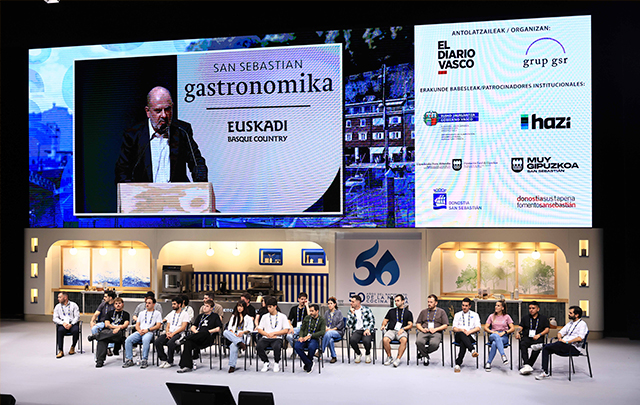
Fifty years after the New Basque Cuisine ushered in a new era in Spanish gastronomy, San Sebastian Gastronomika has once again sought to ask a question about the future: What kind of gastronomy do we want to build now? With that premise in mind, OFF Gastronomika was launched yesterday at the Kursaal—an initiative that brought together, as part of the 28th edition of the conference, a new generation of professionals to listen to their concerns, exchange ideas, and begin to chart their own course for the coming years.
The event was conceived as the beginning of a journey, not as a one-off gathering. The goal of OFF Gastronomika is to progressively incorporate new voices and talent and to create spaces where those destined to lead the coming decades can discuss the changes that are already transforming the sector.
The first session drew on a preliminary survey conducted among participants, the results of which served to open the conversation around five major areas: people and working conditions; business, entrepreneurship, and the local economy; new consumers; technology and artificial intelligence; and training. The data were not presented as definitive conclusions, but rather as starting points from which to compare experiences and seek concrete answers.
The discussion yielded ten proposals for moving forward. Among them were: reconciling excellence with work-life balance and sustainable working conditions; strengthening environmental commitment and the use of locally sourced products; providing grants, financing, and other resources to help turn a good idea into a viable business; and addressing access to housing and land as key factors in attracting and retaining talent. In this context, participants also highlighted rural areas as a real opportunity for launching new gastronomic projects.
The conversation also broadened the concept of innovation. Innovating, the participants argued, is not merely about incorporating a new technique or creating a new dish, but also about finding other ways to produce, organize, start businesses, market, and engage with the local area; reviving traditional trades and making them viable; and connecting the countryside, production, craftsmanship, processing, and the restaurant industry in new ways.
Consumers also played a significant role in the debate. OFF Gastronomika proposes listening more and designing less rigid experiences, extending that freedom of choice not only to the world of beverages—with a greater presence of non-alcoholic alternatives and new ways of drinking—but also to menus, ad hoc offerings, formats, and service styles.
In light of the rise of artificial intelligence, the position that emerged from the session was essentially practical: automate repetitive tasks to free up human time. Management, forecasting, reservations, purchasing, and certain communication tasks can rely on technology to free up time that can be redirected toward the customer, teams, and creativity, while preserving judgment, the senses, craftsmanship, and hospitality as uniquely human domains.
Another major topic was the future of culinary professions. Participants called for training that, without neglecting technique and product, incorporates management, gastronomic culture, leadership, and adaptability. But the debate went beyond training content: chefs, maître d’s, sommeliers, producers, and all other trades in the sector must remain attractive and desirable professions, capable of generating commitment and enthusiasm among those who will carry the torch forward.
The discussion also touched on how the culinary world recognizes excellence. As working conditions, the relationship with the local region, customer expectations, and restaurant models themselves are changing, OFF Gastronomika raised a question for future discussions: Where should Michelin go, and how should it evolve in the coming years to keep pace with this transformation?
A Diverse Generation
This first edition brought together professionals from the Basque Country, Madrid, Castile and León, Asturias, Murcia, La Rioja, and the Canary Islands. Among them were Alejandro Serrano; Joao Kather and Miguel de Aguilar, from Tetsu; Adrián Abella and Diego Sanz, from Caleña; Andoni Arias, from Rapaz; Xune Andrade from Monte; Anaí Meléndez and Elías Aguado from Caín; Paula López Montero and Mariluz Villegas from Campo a Través; Juan Azorín from Estirpe; Juan Guillamón from Almo; Jorge Rodríguez Conde, founder of Vinifica; Edna Bermejo from Txakoli Itsasmendi; Alatz Bilbao, from Bakea; Javier Ochoa, Garikoitz Arruabarrena, and Judit Ayago, from Masta; Jon Gil, from Ahantz; Aridani Alonso, from Casa Romántica; Renzo Waman, from Waman; Óscar Escribano, from Euskalduna by Etxanobe; Coco Montes, from Pabú; and Javier Rivero and Gorka Rico, from AMA Tolosa.
The choice of San Sebastián to kick off this journey added a generational dimension to the project. Coinciding with Gastronomika’s tribute to the 50th anniversary of the New Basque Cuisine, the OFF Gastronomika participants shared the stage with representatives of the generations that spearheaded and carried on that movement. The image symbolized the link between those who helped transform gastronomy half a century ago and those who are now beginning to ask themselves how it should evolve over the coming decades.
The conclusions from this first session were later presented on the main stage at San Sebastián Gastronomika by five spokespeople from the group. Not as a definitive manifesto, but as the first outcome of a conversation that has only just begun.
OFF Gastronomika will continue. New meetings will allow for the discussion of these initial proposals, the inclusion of other perspectives, and the expansion of the conversation. Madrid Fusión will be the next stop in a process that aims to bring together talent to collectively shape the future of gastronomy.
Related news
News
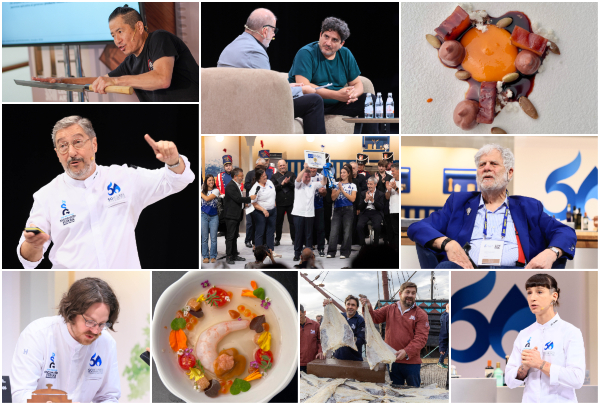
San Sebastian Gastronomika wraps up this year's event, which brings together the pioneers of New Basque Cuisine with the next generation
News
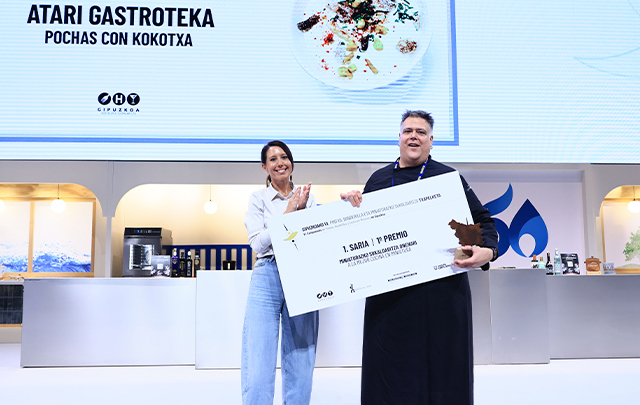
Tatapas Gastroteka and Atari Gastroteka, winners of the 6th Gipuzkoa 2026 Pintxos, Banderillas, and Miniature Cuisine Championship
News
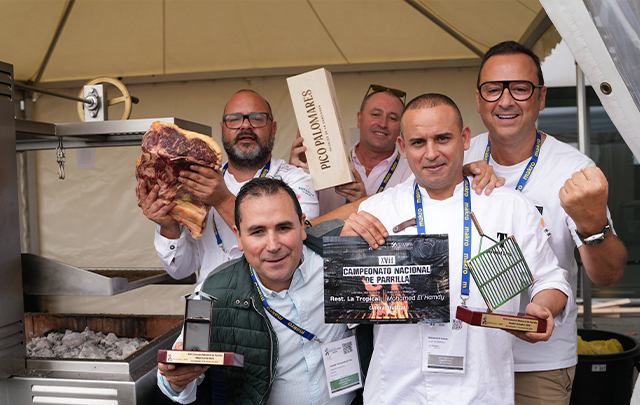
La Tropical Defends Its Title at the San Sebastian Gastronomika National Barbecue Championship
The restaurant from Murcia has been crowned champion for the second time—following its 2023 victory—with a txuleta from Trasacar
News
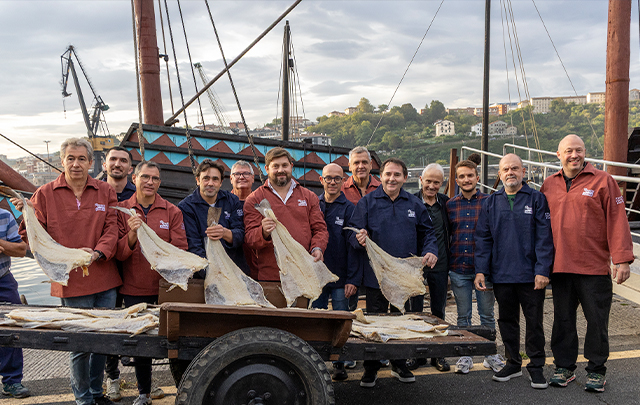
Gastronomika celebrates its first International Cod Festival with a journey through centuries of history and cuisine
News
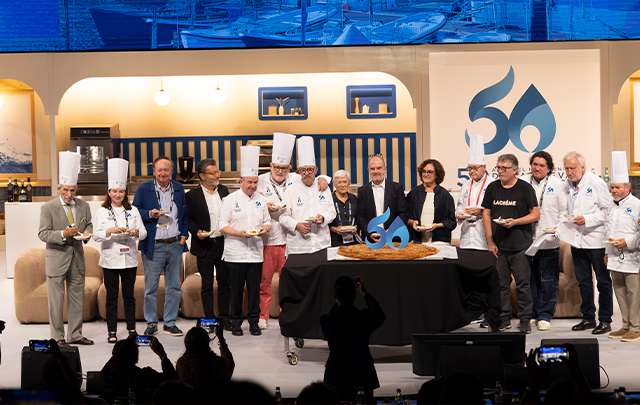
The New Basque Cuisine celebrates its heritage at Gastronomika: creative freedom and team spirit
News
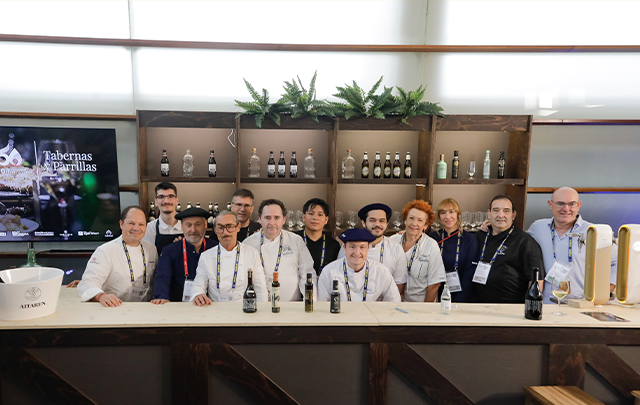
The seven wonders of txipiron
San Sebastian Gastronomika is gearing up to showcase the endless possibilities of a species so deeply rooted in our culture
News
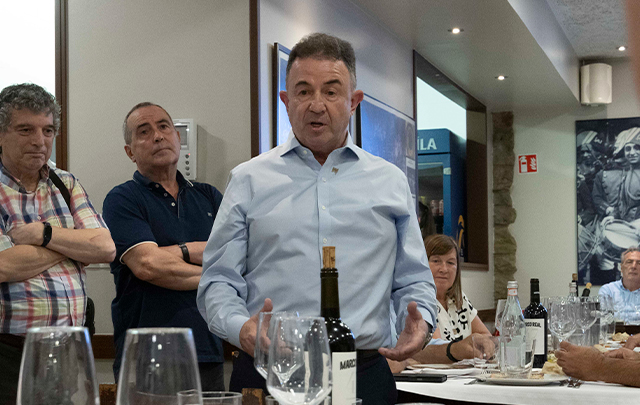
Martintxo received a warm welcome from the gastronomic societies at an intimate tribute
The lunch at the Unión Artesana, held the day before he received the Tribute Award, was a touching occasion for the chef
News
The 3rd Tabernas and Parrillas Forum will explore how the traditional bar is adapting to a new generation of customers
News

The most maritime and experiential edition of Gastronomika celebrates half a century of New Basque Cuisine
News
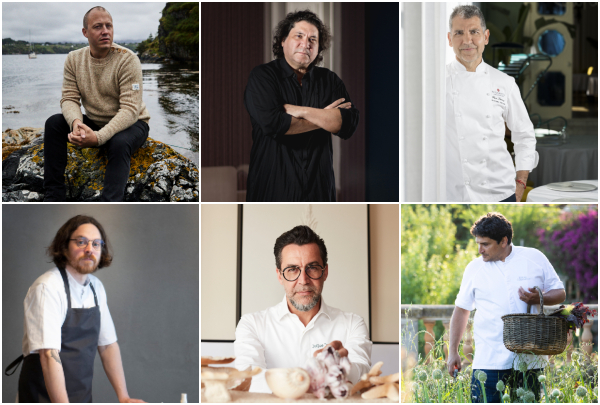
Gastronomika 2026 is broadening its international outlook by welcoming Mark Kurlansky, Mauro Colagreco, Jacopo Ticchi and Poul Andrias Ziska.
The 28th edition of the congress, which will take place from 5 to 7 October under the slogan 'The spark that lit the fire', will feature new voices as part of a programme dedicated to the 50th anniversary of New Basque Cuisine. This year will also see a global cod festival, with chefs from various countries taking part.