News
San Sebastian Gastronomika wraps up this year's event, which brings together the pioneers of New Basque Cuisine with the next generation
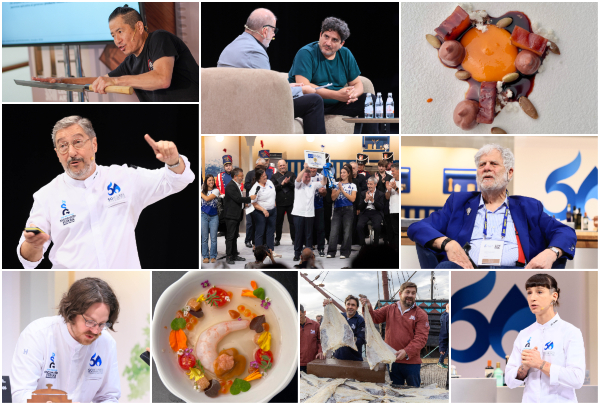
San Sebastián Gastronomika Euskadi Basque Country has concluded its 28th edition after three intense days in which the international culinary world once again gathered in San Sebastián to celebrate half a century of New Basque Cuisine and, at the same time, to explore the future direction of cuisine in the coming decades, led by a new generation of chefs through the launch of the Off Gastronomika initiative. This anniversary has demonstrated that the revolution is still alive, but also that its main legacy is not a specific way of cooking, but rather an approach to gastronomy.
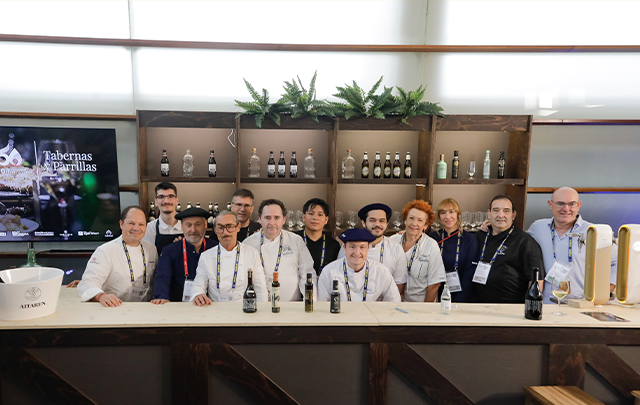
Gastronomika matched last year’s figures with more than 14,000 accredited attendees from 46 different nationalities and an audience of 1,294 conference participants in the auditorium, a third of whom were able to sample the more than 9,000 tastings served. And once again, the events of the 3rd Taverns and Grills Forum were completely sold out over the two days of this initiative, which began in 2024. The debut of the Cutlery Forum, featuring specialized workshops on knives and sharpening, was also a success.
The final morning of San Sebastián Gastronomika encapsulated much of the narrative that has run through this edition: looking to the region and to what has been learned to decide how to move forward. From the Faroe Islands, Poul Andrias Ziska championed a cuisine that literally means “living off the sea,” using fermentation, drying, and cod to create a contemporary expression of Atlantic heritage; Elena Arzak championed “unfiltered flavor”—a cuisine in which tradition and innovation move forward together and where knowledge must be passed on to the next generation; and Paco Pérez transformed the Costa Brava into a gastronomic narrative, using technique to bring “a piece of the sea” to the plate and demonstrating that cooking is also a way of telling the story of a landscape.
Seeing Through Different Eyes
The closing session brought this generational transmission to the forefront. Iris Jordán and her brother Bruno, who run the restaurant Ansils* (Huesca) in the Benasque Valley—in a village of 17 inhabitants—represent better than anyone those young people who are taking up the torch from the veterans and choosing to do so from their own unique vantage point: the Huesca Pyrenees, on a small scale, and with ingredients as humble as a boletus mushroom fermented to yield a clean, almost ethereal broth that concentrates its flavor profile, or a pear. Her presentation made it clear that innovation does not necessarily require exclusive ingredients, but rather a persistent and patient gaze on the everyday—products that may sometimes seem too modest and unappealing. In response to the question “how to create a regional identity,” Jordán demonstrated that the next avant-garde may emerge precisely from looking at what is close at hand with fresh eyes. From Ziska’s fermented cod to Arzak’s legacy, from the Mediterranean as narrated by Pérez to the Pyrenees of the Jordáns, the morning thus brought the conference full circle: the veterans pass on their knowledge and craft; the young are not called upon to repeat it, but to take that legacy and decide what to do with it.
Under the motto “The Spark That Lit the Fire,” the conference has turned the 50th anniversary of the New Basque Cuisine into a starting point for celebrating the legacy of a generation that transformed gastronomy from the Basque Country and projected its influence far beyond its borders. Half a century later, San Sebastian Gastronomika has brought together those who received that spark and those who will have to decide what to do with it. The Kursaal Palace has hosted the leading figures of that revolution alongside chefs from different generations and backgrounds who have been influenced by them or developed their own ways of understanding the avant-garde. Pedro Subijana, Martín Berasategui, Elena Arzak, Andoni Luis Aduriz, Quique Dacosta, Joan Roca, Mauro Colagreco, Pierre Gagnaire, Michel Troisgros, Gastón Acurio—who recalled, for example, how the discovery of the New Basque Cuisine shaped his career and helped change his understanding of Peruvian gastronomy—Alexandre Couillon, Paco Roncero, among many others, have shared the stage to pay tribute to those pioneers and keep their legacy alive. Creative freedom, the ability to question the status quo, learning, collaboration, and a connection to the local region emerge today as some of the key lessons from that generation.
The future is built on memory
Memory has been one of the central themes of this edition. Drawing from diverse culinary traditions and regions, the participating chefs have demonstrated how the past can become raw material for innovation. Andoni Luis Aduriz summed up this perspective with an idea that ran through much of the conference: “The future is built with fragments of the past.”
A new generation asks what comes next
The 2026 edition also set aside a specific space to look toward those who will shape the future of gastronomy. Off Gastronomika brought together a new generation of professionals who raised issues that go far beyond culinary creativity: working conditions, work-life balance, access to housing and the countryside, the economic sustainability of restaurants, training, new business models, and the impact of artificial intelligence. The debate showed that the next transformation in gastronomy may not take place solely on the plate.
The diner’s experience was also one of the topics addressed by some of the big names at this year’s event. Joan Roca defended the relevance of haute cuisine based on one essential idea: that the customer wants to return. Paco Roncero championed maturity as a creative driving force, while other chefs focused on the need to create dining experiences capable of generating emotion and lasting connections. After decades of experimentation and avant-garde innovation, gastronomy seems to be facing a new question: not just what we are capable of doing, but why we want to do it.
Another major highlight of this edition was the First International Cod Conference, which made this product the star of a gastronomic and historical journey through different cultures. Chefs, researchers, and specialists from regions such as the Basque Country, Portugal, Norway, Italy, Nigeria, Catalonia, and the Faroe Islands have showcased different ways of understanding a product that for centuries has connected territories, cultures, and economies. And historian and writer Mark Kurlansky has helped place cod in a historical context that transcends the kitchen.
With over a hundred presentations, roundtables, and activities, San Sebastián Gastronomika has once again transformed the Kursaal into a meeting point for international gastronomy and a space for reflection on the present and future of cuisine. Behind every presentation, demonstration, and culinary service at San Sebastián Gastronomika lies significant technical work. At this year’s event, Kitchen Consulting, the conference’s kitchen supplier, once again played an essential role in the planning, installation, and operation of the kitchen spaces, ensuring that chefs could carry out their demonstrations with the necessary conditions and equipment. This work is part of the complex machinery that makes the San Sebastián haute cuisine gathering possible, year after year.
Related news
News
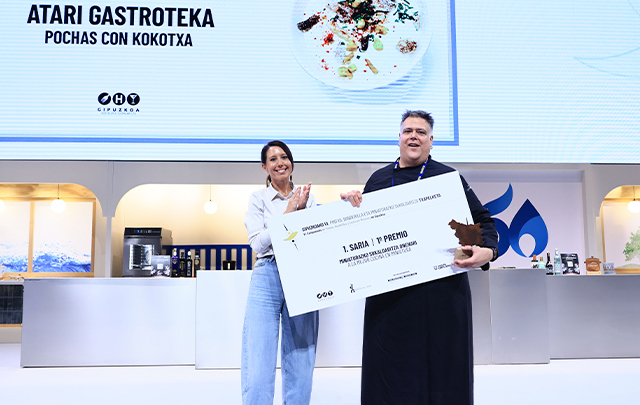
Tatapas Gastroteka and Atari Gastroteka, winners of the 6th Gipuzkoa 2026 Pintxos, Banderillas, and Miniature Cuisine Championship
News
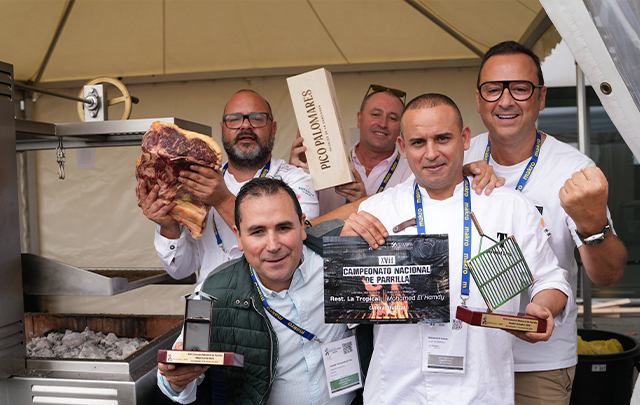
La Tropical Defends Its Title at the San Sebastian Gastronomika National Barbecue Championship
The restaurant from Murcia has been crowned champion for the second time—following its 2023 victory—with a txuleta from Trasacar
News
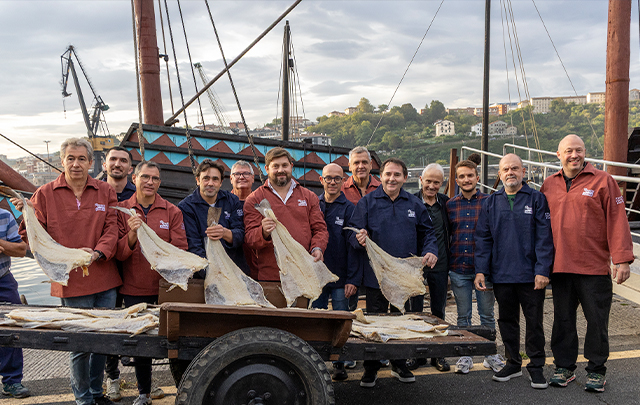
Gastronomika celebrates its first International Cod Festival with a journey through centuries of history and cuisine
News
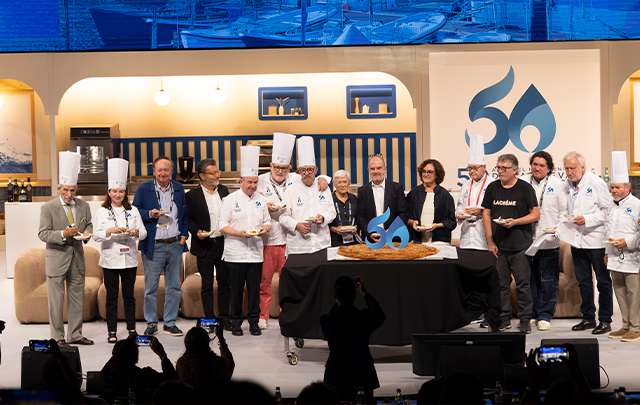
The New Basque Cuisine celebrates its heritage at Gastronomika: creative freedom and team spirit
News
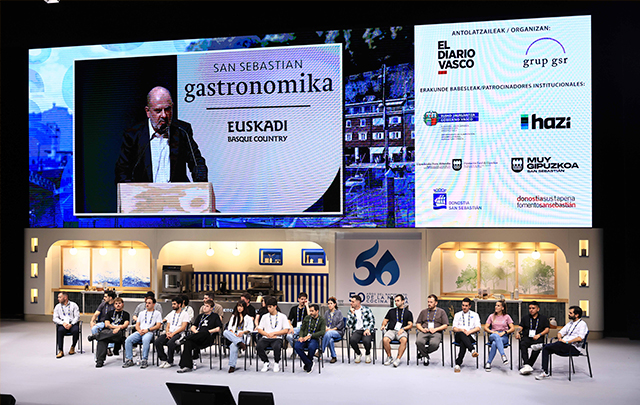
OFF Gastronomika kicks off at the Kursaal, giving a voice to a new generation to envision the future of gastronomy
News
The seven wonders of txipiron
San Sebastian Gastronomika is gearing up to showcase the endless possibilities of a species so deeply rooted in our culture
News
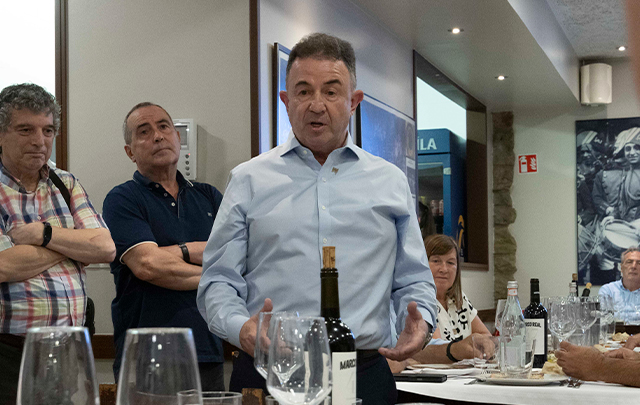
Martintxo received a warm welcome from the gastronomic societies at an intimate tribute
The lunch at the Unión Artesana, held the day before he received the Tribute Award, was a touching occasion for the chef
News
The 3rd Tabernas and Parrillas Forum will explore how the traditional bar is adapting to a new generation of customers
News

The most maritime and experiential edition of Gastronomika celebrates half a century of New Basque Cuisine
News
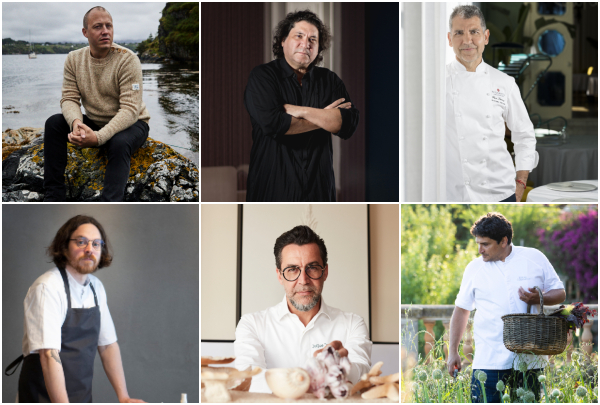
Gastronomika 2026 is broadening its international outlook by welcoming Mark Kurlansky, Mauro Colagreco, Jacopo Ticchi and Poul Andrias Ziska.
The 28th edition of the congress, which will take place from 5 to 7 October under the slogan 'The spark that lit the fire', will feature new voices as part of a programme dedicated to the 50th anniversary of New Basque Cuisine. This year will also see a global cod festival, with chefs from various countries taking part.